
My design work sits at the intersection of technology, interaction, and creative expression. I draw inspiration from music, 3D graphics, human-computer interaction, wearables, computer vision, procedural and generative systems, virtual environments, and physics simulations — not just as tools, but as ways of thinking about form, behavior, and experience. Much of my practice involves building custom interactive systems using TouchDesigner, Houdini, Max, Unreal Engine, Unity, Fusion, and other media development environments and programming frameworks, often in combination with embedded electronics and sensor-driven interfaces.
I am captivated by how computational systems can create responsive, immersive, and deeply embodied experiences. Whether working with real-time simulation, sensor networks, spatial audio, or generative structures, I approach each project as an opportunity to learn and explore how humans engage with dynamic environments, and how technology can expand or transform that engagement. This perspective informs much of my recent work across installation art, instrument design, and interactive media.
Several of these explorations — including prototypes, custom tools, research studies, and ongoing development work — are documented openly. If you're interested in the technical process behind my projects, you can find source code and other materials on my GitHub.
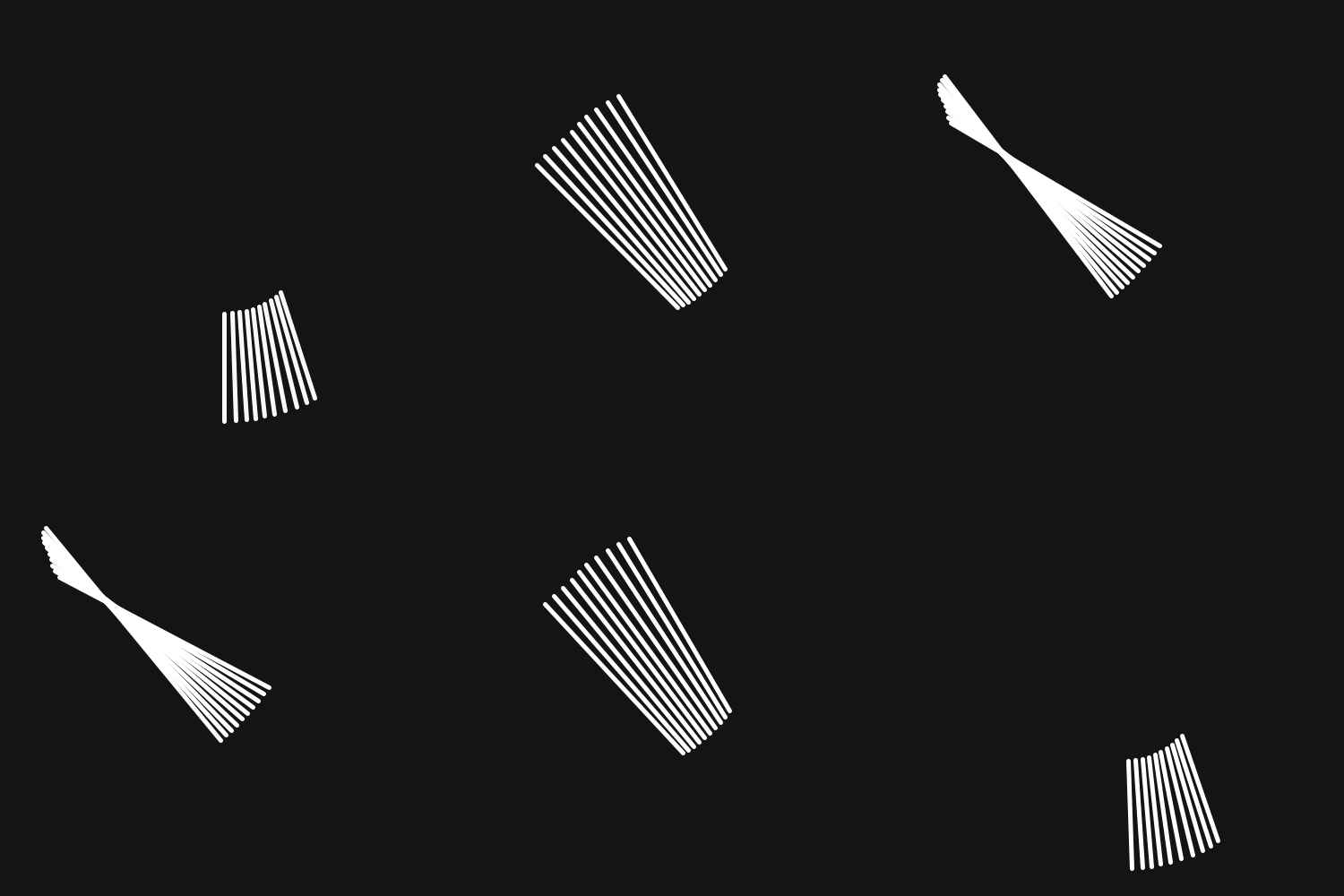
The movement of the coordinates making up the line segments is based on parametric equations. Implemented in Processing, and turned into a GIF using ImageMagick.
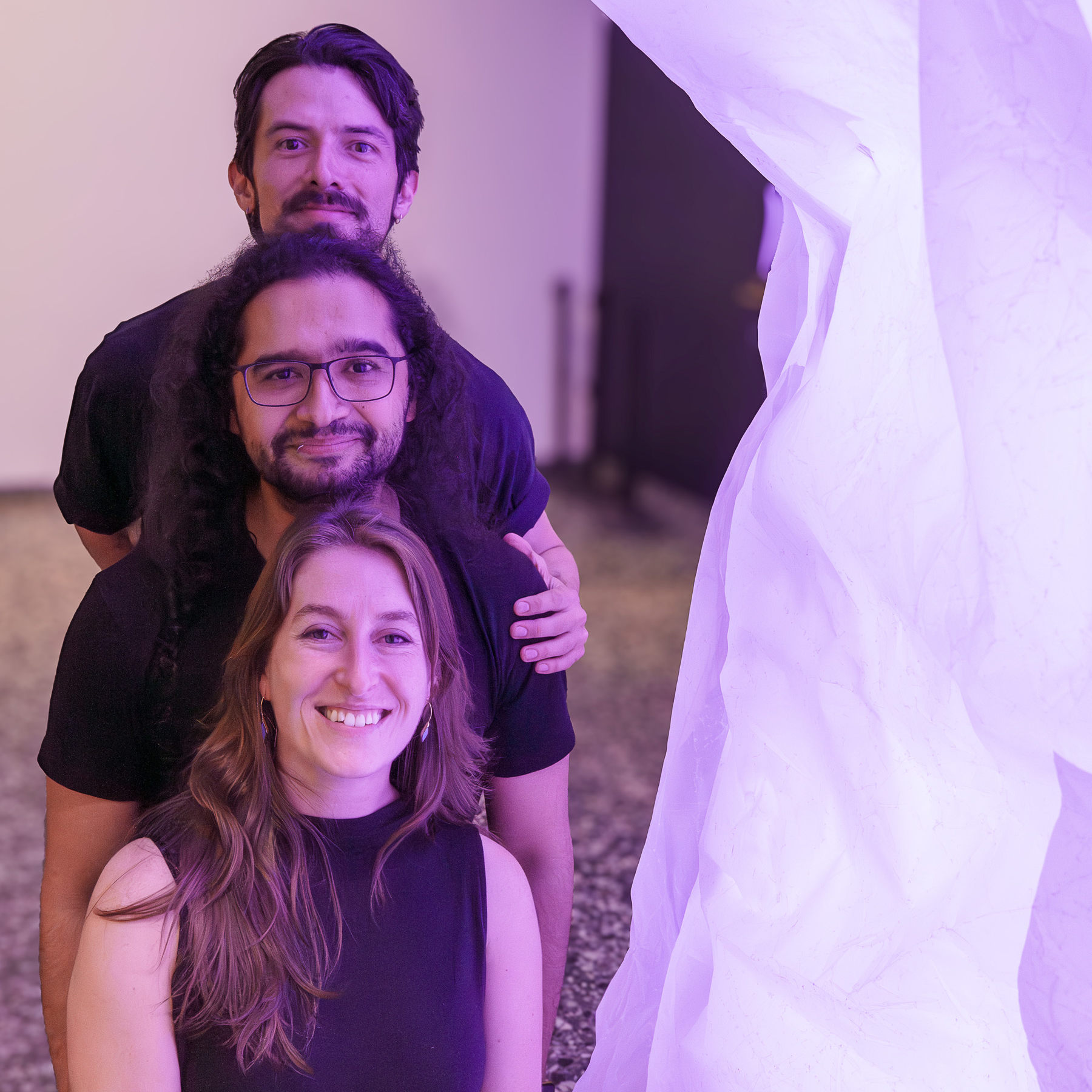
How can a responsive environment engage everyone present without requiring a single wearable, handheld device, or touch? Tree of Life is an interactive installation that explores this question through unencumbered sensing, resulting in a sculptural environment that generates music and light in direct response to participants' presence and movement. The project was developed in collaboration with technologist, sound designer, and composer Álvaro Morales, and abstract painter, sculptor, and educator Anna Schwartz. Tree of Life was featured in the 2026 Sound Scene Festival, and was showcased at the Smithsonian's Hirshhorn Museum and Sculpture Garden, Washington, D.C. Special thanks to Elif Kavuşturan, Gary Krewson, and Dan Buttrey for their support and assistance during the installation and design process.
Tree of Life draws on research in computer vision, procedural composition, lighting design, physical computing, and sculpture. It represents a continued investigation into how unencumbered interfaces can distribute agency across an entire audience, redirecting attention from individual control toward collective, shared presence within a space.
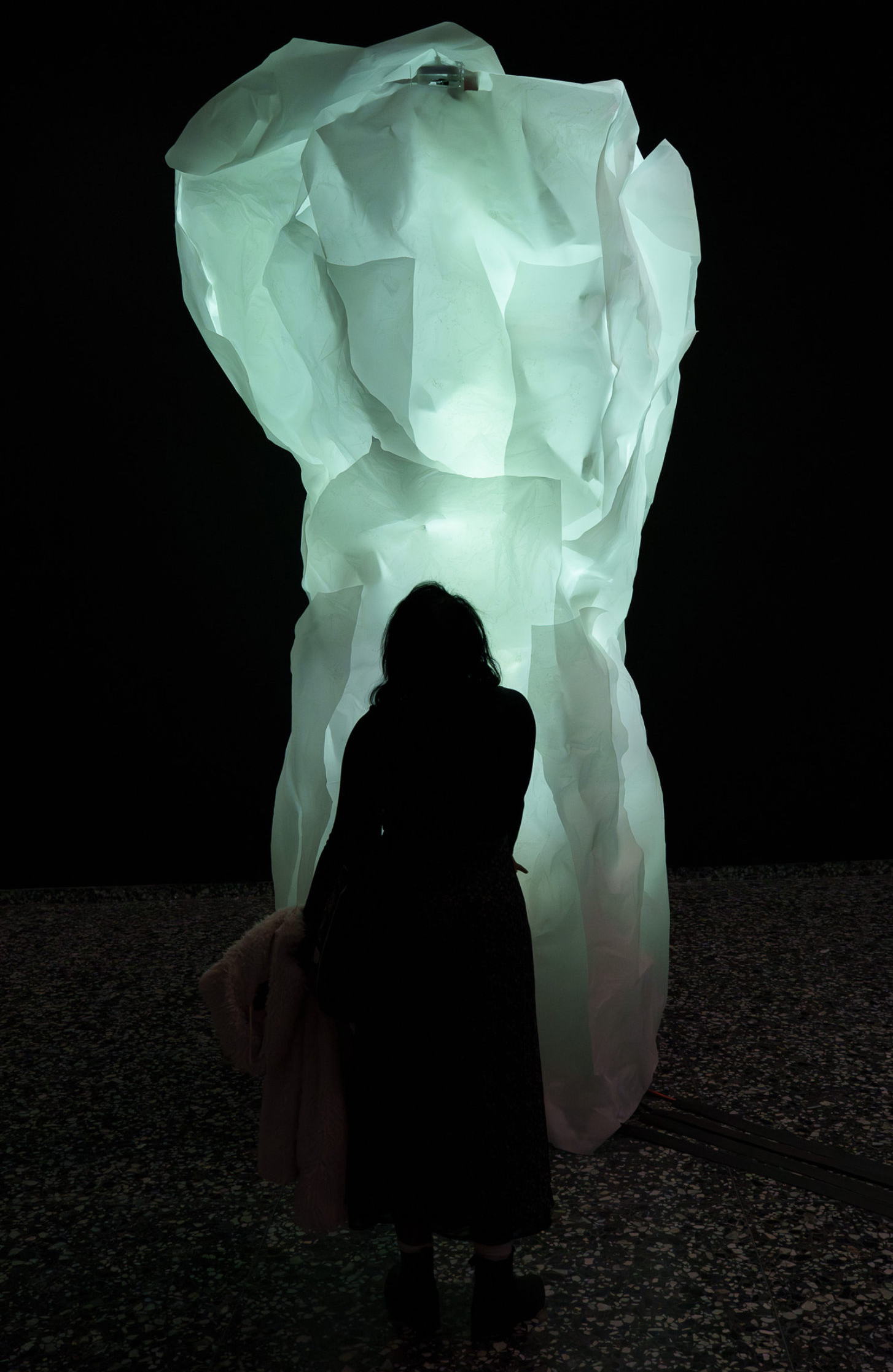
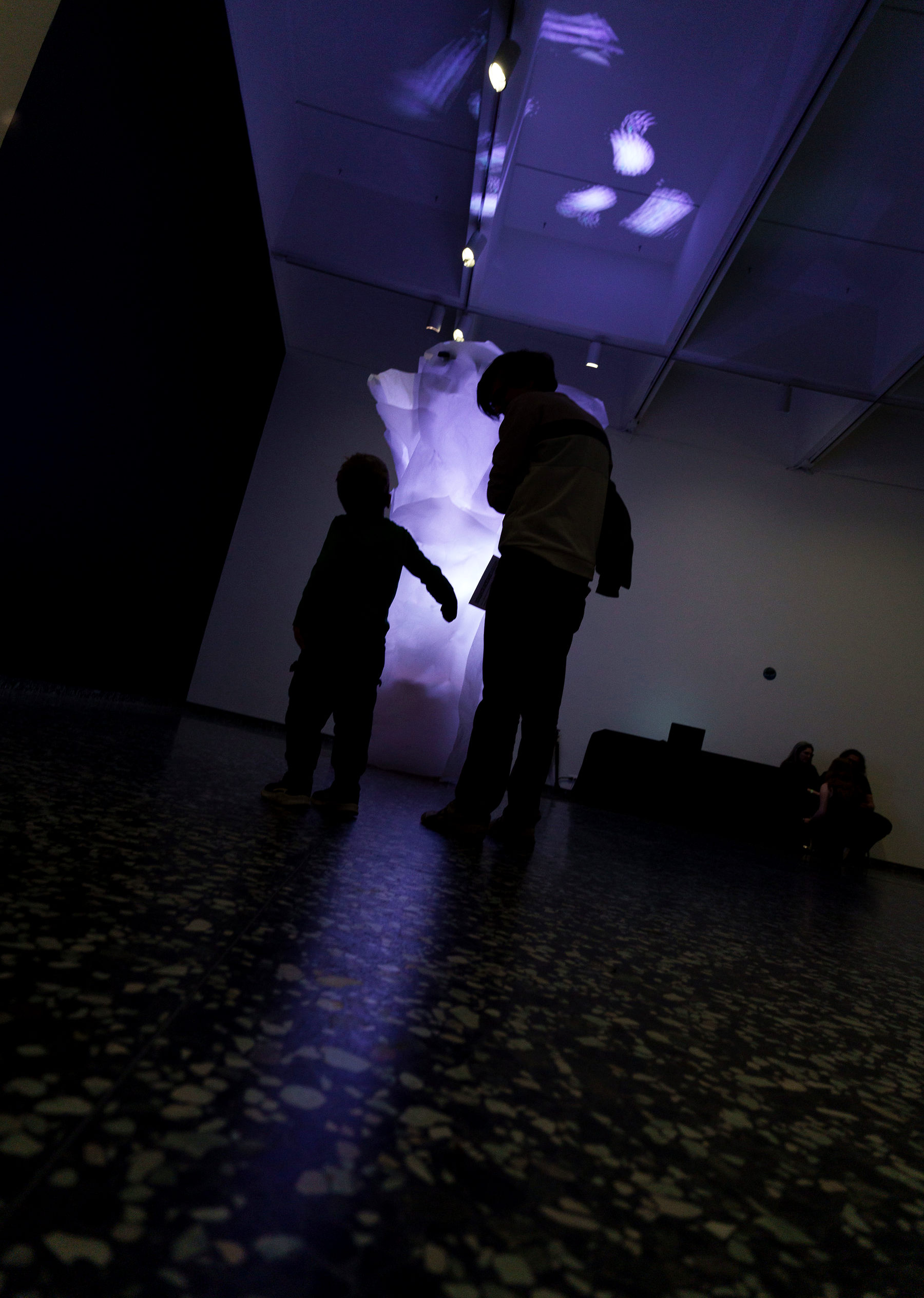
The installation is structured around a three-meter interactive sculpture that generates procedural music and lighting in response to participant movement. A radial array of cameras mounted at the top of the sculpture captures the surrounding space, and a real-time computer vision model tracks the position and movement of everyone nearby. These descriptors become the raw material driving the piece's responsive behavior.
This tracking data is converted into MIDI information that drives a procedural music engine combining synthetic and orchestral instrumentation. Each participant is mapped to an individual melodic voice, allowing several people to create counterpoint while additional participants influence the piece's broader sonic character. The same MIDI data also drives the sculpture's lighting system, syncing a shifting palette of illumination to the generated music.
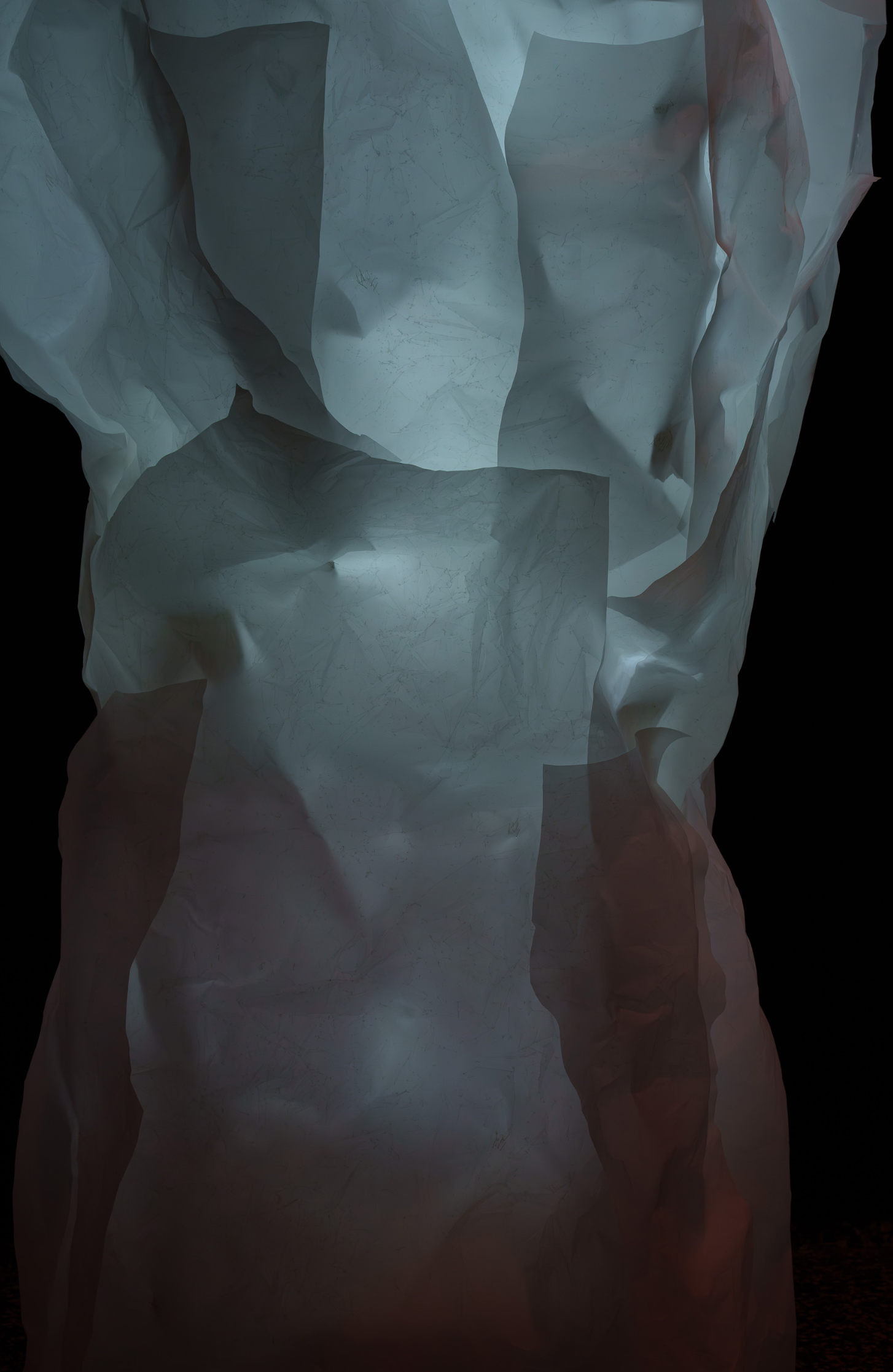
Physically, the sculpture is built around a wooden armature that houses its lighting fixture and speakers, with three branch-like extensions supporting a canopy of cameras above. A layer of chicken wire gives the structure volumetric stability, wrapped in a photo-transparent paper skin that catches and diffuses light from within. To avoid casting a pattern of hexagonal shadows from the chicken wire beneath it, an intermediary layer of semi-transparent photo fabric was placed to produce even glowing illumination across the surface.
This is the list of materials used to create Tree of Life:
Hardware
Software
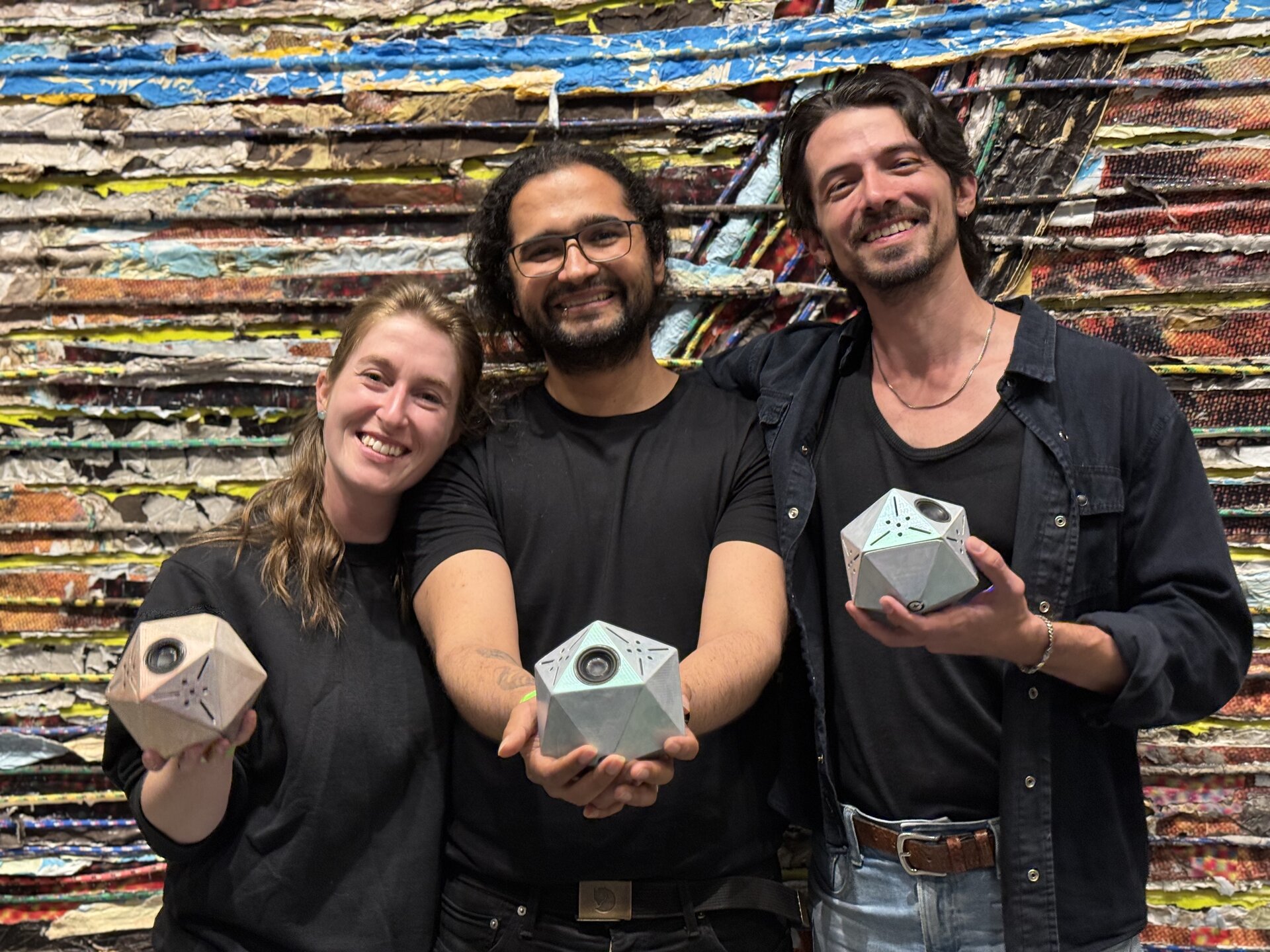
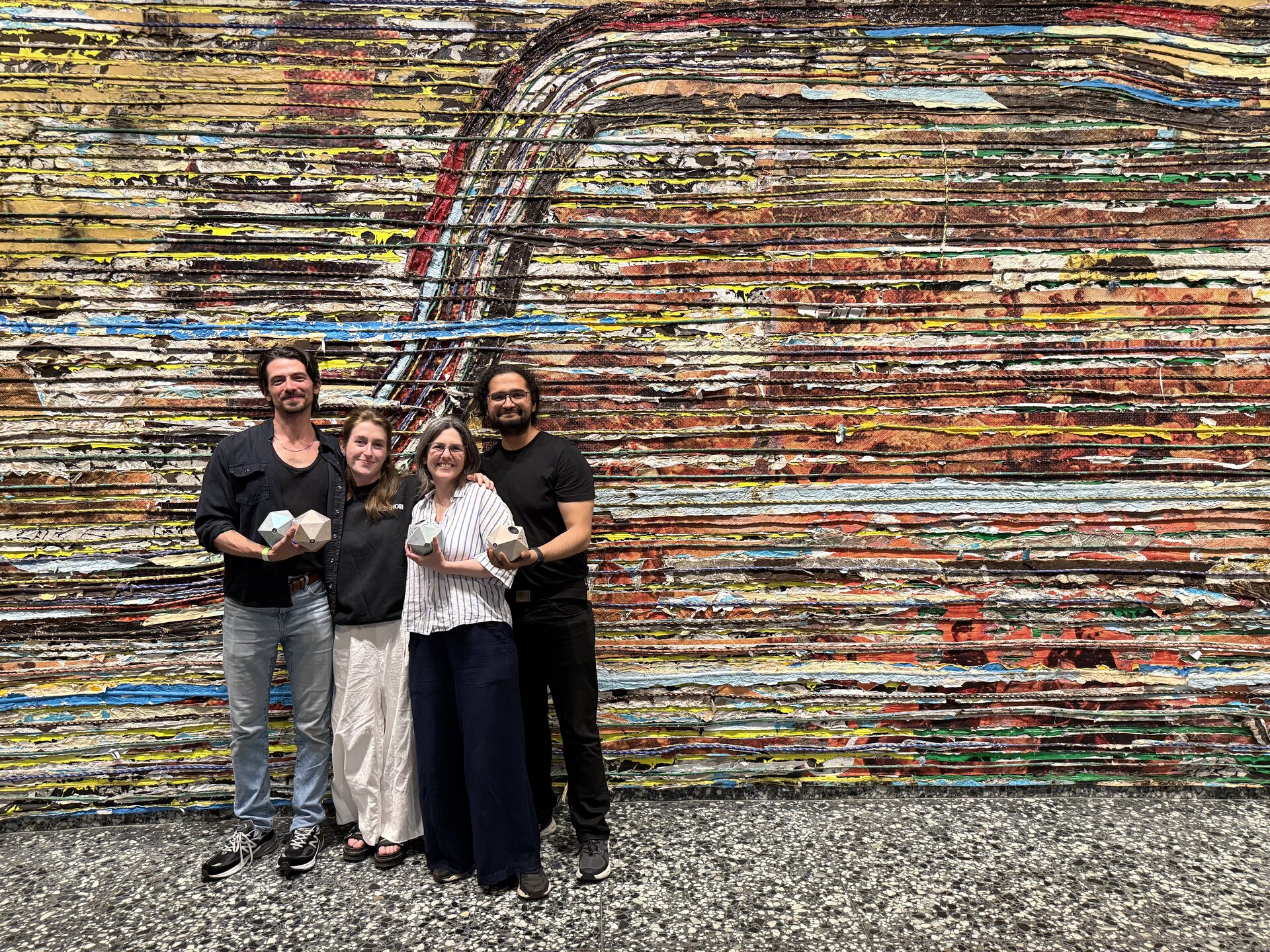
Large-scale responsive environments driven by multiple people present a recurring challenge: how can participants recognize their individual impact when the output is collectively created? Echo Nexus is an interactive installation that explores this question, resulting in an immersive audiovisual environment that reacts to presence, motion, and touch. The project was developed in collaboration with technologist, sound designer, and composer Álvaro Morales, and abstract painter, sculptor, and educator Anna Schwartz. Echo Nexus was featured in the 2025 Sound Scene Festival, and was showcased at the Smithsonian's Hirshhorn Museum and Sculpture Garden, Washington, D.C. Special thanks to Elif Kavuşturan for her support and assistance during the installation and the development process.
Echo Nexus emerged from years of research in interactive instrument design, physical computing, procedural audio, embedded systems, 3D graphics, networking, fabrication, sculpture, and visual arts. It represents an ongoing investigation into how human gestures, computational systems, and perceptual feedback co-evolve to create new modes of artistic interaction.
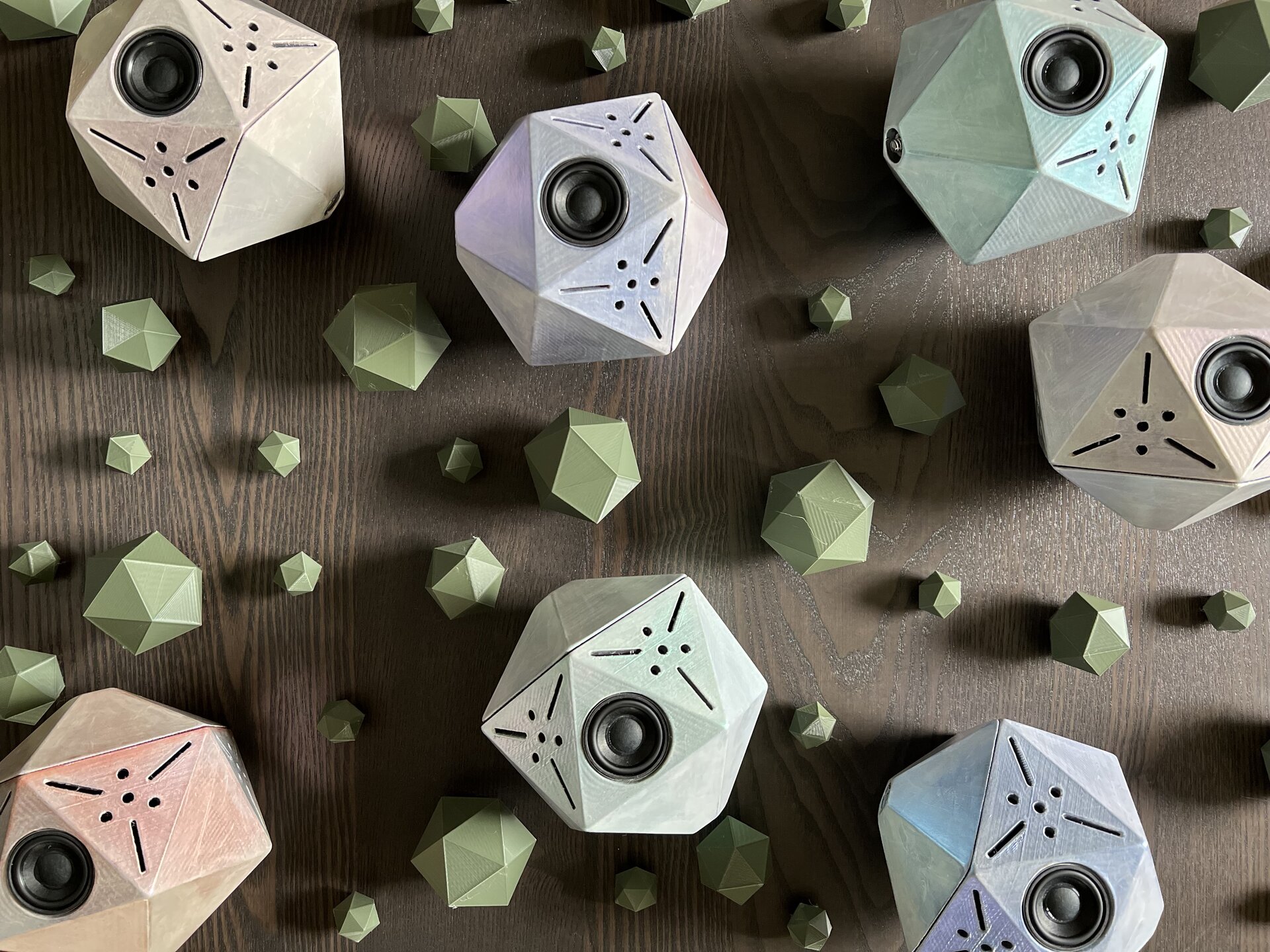
The installation consists of a series of custom-designed, 3D-printed icosahedral cells. Each cell integrates embedded audio processing, inertial sensing, and networked communication, allowing it to react to participant interactions by procedurally generating sound and graphics. The motion data captured by the inertial sensor is processed in an embedded system to calculate the magnitude of acceleration and orientation of the icosahedron, attributes that carry meaningful descriptors of how participants engage with the cell. When a participant moves a cell, it will begin to play a procedurally generated rain-like soundscape based on these motion descriptors.
These descriptors are also wirelessly sent to the brain—a central computer rendering a real-time fluid simulation—as OSC messages using UDP over WiFi. Using Max and Jitter, the brain draws colorful graphics in the form of trails within a real-time fluid simulation based on curl noise. As more cells are activated, each one will contribute its own trail to the simulation, each trail distinguished by a unique color. The collective creation of trails and soundscapes emphasizes the cellular role of each participant, allowing for their physical gestures to directly sculpt procedural imagery in an organic and emergent way.
The 3D models for the cells were created in Autodesk Fusion, optimizing for cable routing and modular assembly, and fabricated using high-resolution PLA 3D printing. After printing, each cell was sanded and coated with interference paints, which shift color depending on the viewing angle and lighting conditions. PLA's natural micro-ridge texture, which is typically considered a cosmetic flaw, proved to be ideal for this finish, giving the interference pigments more surface variation to refract from and resulting in a shimmering, iridescent appearance as they moved.
This is the list of materials used to create Echo Nexus:
Hardware
Software
Despite their categorical denomination, game engines can be used to create interactive experiences other than video games. Game engines are frameworks that integrate numerous computational subsystems that manage graphics, physics, audio, and input, among others, providing designers with a comprehensive toolkit to craft interactive work. Commonly, work developed in a game engine is deployed in the form of an app that runs in a dedicated computer architecture. Advancements in web technologies now allow for these experiences to be hosted in websites and deployed through modern browsers, greatly enhancing accessibility by easing the distribution of the work.
Envelop is a virtual audiovisual instrument featuring interactive and procedurally generated audio and graphics. The environment consists of a rotating grid of floating tiles, where the speed and direction of the rotation is controlled by the mouse's x coordinate. When the performer presses an arrow key, a sphere is launched at a random speed toward the grid, triggering a sound when it overlaps with a tile.
The spheres remain in the vicinity of the grid by colliding against invisible walls. The visibility of the walls can be toggled to reveal the instrument's enclosure. Confining the spheres causes them to collide against each other, triggering additional sounds as they overlap with the rotating grid. The physics engine will only alter the trajectory of a sphere when it collides with another sphere or with an invisible wall; the tiles trigger sounds exclusively and do not engage with the physics simulation of the spheres.
Almost everything in the piece is generated procedurally. The only asset in the project is an audio recording of a bell. Musical material is produced by retuning that sample through mathematical relationships across a twelve-tone temperament system, so pitch, harmony, and register all emerge from one recording.
There are two distinct modes of note generation. The first one assigns a note and register to each tile when the grid is generated, playing this note when colliding with a sphere. The second mode uses a first-order Markov chain to determine what note to play based on the previous note and a table of probabilities.
Visually, each tile's brightness varies based on the loudness of the note it plays. The loudness of all tiles controls the brightness of several point lights placed within the environment. This is easier to see when the walls are visible.
Tile-sphere collisions also trigger particle systems that float upward. The color of the generated particles matches that of the tile that generated them. Additionally, the general environment is made by a custom skybox shader inspired by the northern lights.
Finally, the camera can be positioned overhead or within the enclosure. Besides defining what is visually rendered, the camera perspective also controls how the audio is spatialized, rendering channel-based audio when the camera is overhead and object-based audio when the camera is within the environment.
Current sensing technologies, such as IMU sensors and cameras, allow the collection of data to describe movement. AAT Synth is an accessible musical instrument that relies on these technologies to create interactive musical experiences. The instrument was designed around accessibility, resulting in flexible interactive approaches to make music. This project stands at the intersection of music, technology, and accessibility, and introduces emerging technologies into creative expression. AAT Synth is inclusive by design, allowing users with varying degrees of musical and technical proficiency, as well as physical capabilities, to engage in music performance. The project features a custom-built iOS application and a series of Max patches. The application is a versatile and interactive musical instrument that relies on motion sensors and computer vision data. The Max patches serve as building blocks allowing people working in Max to incorporate these types of data into their designs.
This project was created as part of Adaptive Art Technologies, an initiative to develop accessible devices that bring novel approaches and opportunities for creative expression, particularly to people with disabilities.
Harvard ALM capstone in Digital Media Design — awarded the Dean's Prize for Outstanding Capstone. Advised by Bakhtiar Mikhak.
The icon was designed in collaboration with Elif Kavuşturan.
Adaptive Art Technologies (AAT) is a development initiative seeking to create novel and accessible musical instruments through alternative controllers.
The design is based on a modular architecture that keeps the media engines separate from the input controllers. This facilitates multiple approaches for creative expression. The main idea is to craft intuitive and accessible mechanisms to interact with the system, opening the doors for everyone to create a meaningful musical experience.
Currently, the project implements an audio synthesis engine, a motion controller that relies on the built-in sensors of your device, and a computer vision controller that relies on feature detection through your device's camera. Future efforts aim to expand this project by including a video synthesis engine.
This video is the final presentation of my capstone project (Dec. 2023). It includes a description of the project as well as a demo of the synth.
The project is available as a TestFlight implementation that is being used for quality assurance and customer validation. If you're interested in trying out this AAT prototype, you may reach me at david@sound-architect.com.
Two Max patches accompany the application, exposing the same sensor streams so that mappings can be prototyped in Max before implementation in Swift:
Both are built to be copied into other patches as building blocks, providing a wireless bridge to raw and processed motion and camera data. They are dual-licensed under MIT and CC BY 4.0 for reuse in projects, performances, and coursework. Setup and usage are documented in the manual.
A couple of instrument prototypes were developed over the years, laying the foundational alternative controllers and audio engine that would eventually evolve into the AAT Synth. One of these instruments, the STCV-Synth, controls the synth engine through a wearable device and computer vision algorithms. The second one of these instruments, Neuromusic, controls the synth engine using an EEG headset.
The STCV-Synth consists of an audio synthesizer that can be controlled using the SensorTile by STMicroelectronics, a wearable device that contains various sensors, including an inertial measurement unit (IMU) equipped with an accelerometer, a gyroscope, and a magnetometer. The SensorTile can transmit sensor data via Bluetooth Low Energy (BLE), making it an efficient and powerful wireless device.
The second controller is based on computer vision via OpenCV and Google's MediaPipe library. Features are detected from a camera data stream, and the coordinates of where these features in the screen are obtained are analyzed for collision against GUI elements. This collision detection approach allows physical gestures to serve as a remote control for synthesizer settings.
The following videos demonstrate some of these prototypes in action, as well as a rundown of the available settings and controls.
This project was developed with data scientist Robert Fischer.
Neuromusic utilizes a commercial-level Muse EEG headset to capture neural data. Using a combination of FFTs and AI, this data is processed into variable data streams, each corresponding to specific neural bands in independent frequency ranges. These bands are assigned to oscillators and processor parameters for synthesizer control and music generation.
This project was developed with neuroscientist and data scientist Benyamin Meschede-Krasa.
Developed in 2023, DisOrgan is an interactive installation that celebrates the impact of disability in shaping the landscape of innovation. Many everyday objects have their origins in disability, given that designers and inventors are constantly seeking solutions to support and enhance the lives of people they love, not to mention how communities of people with disabilities are at the forefront of innovative solutions that make the world more inclusive.
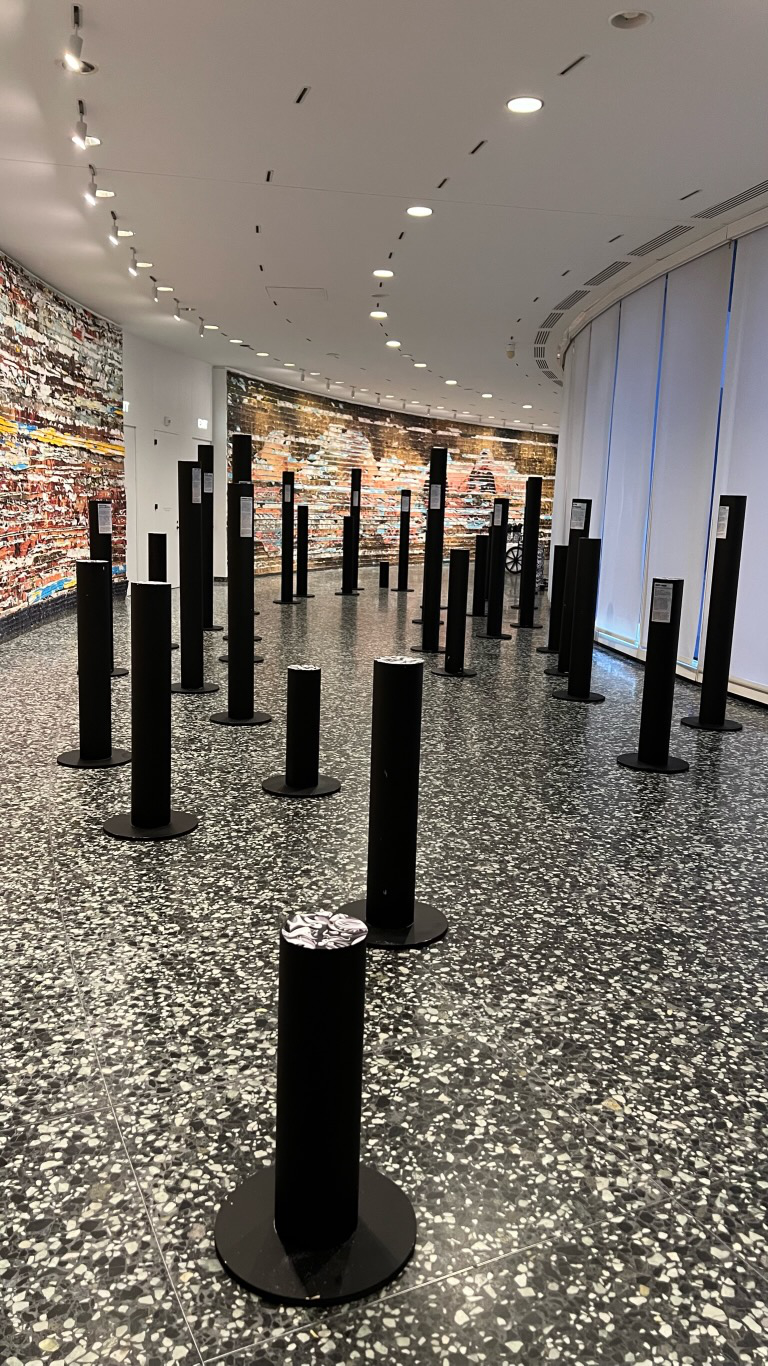
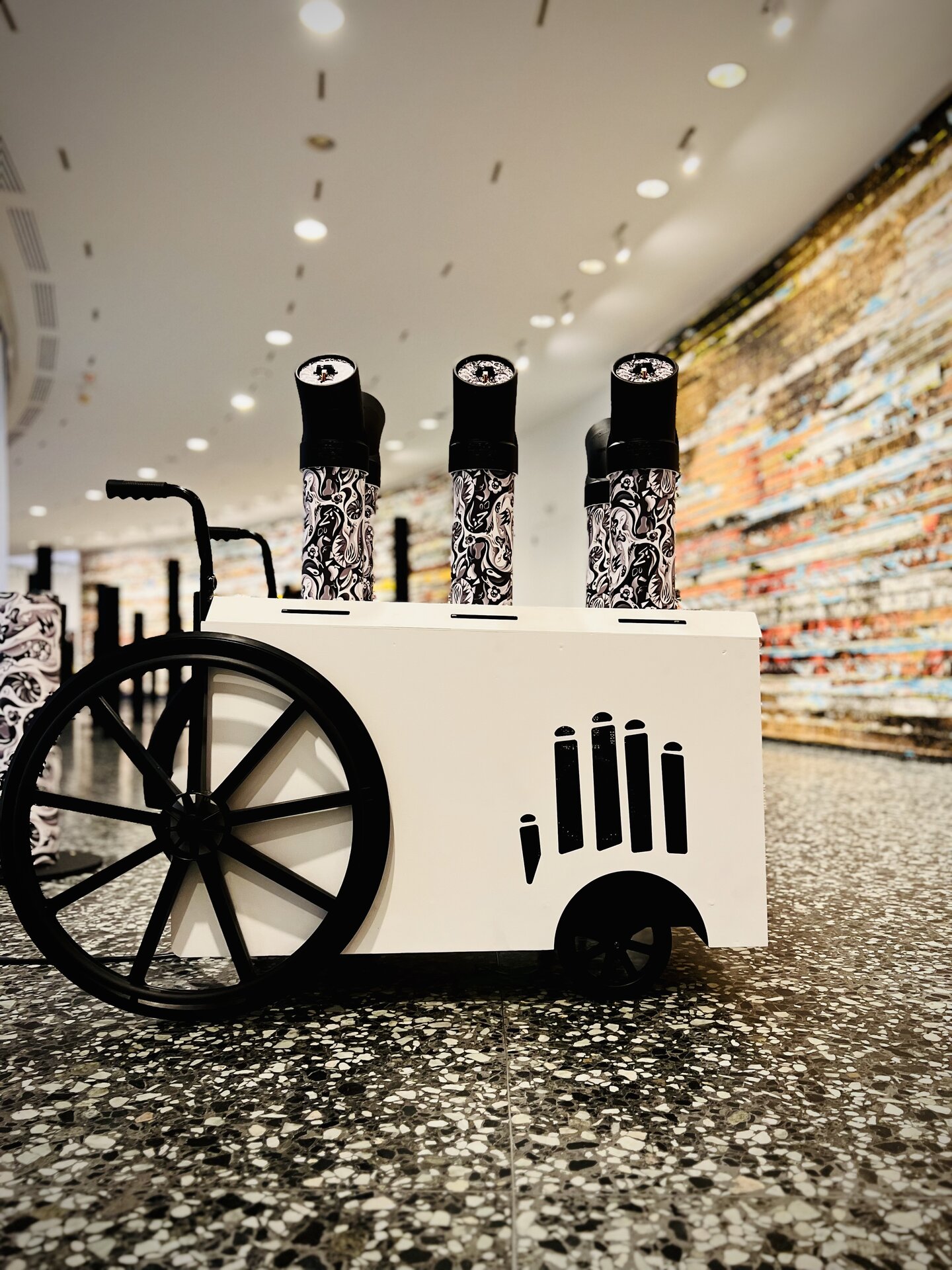
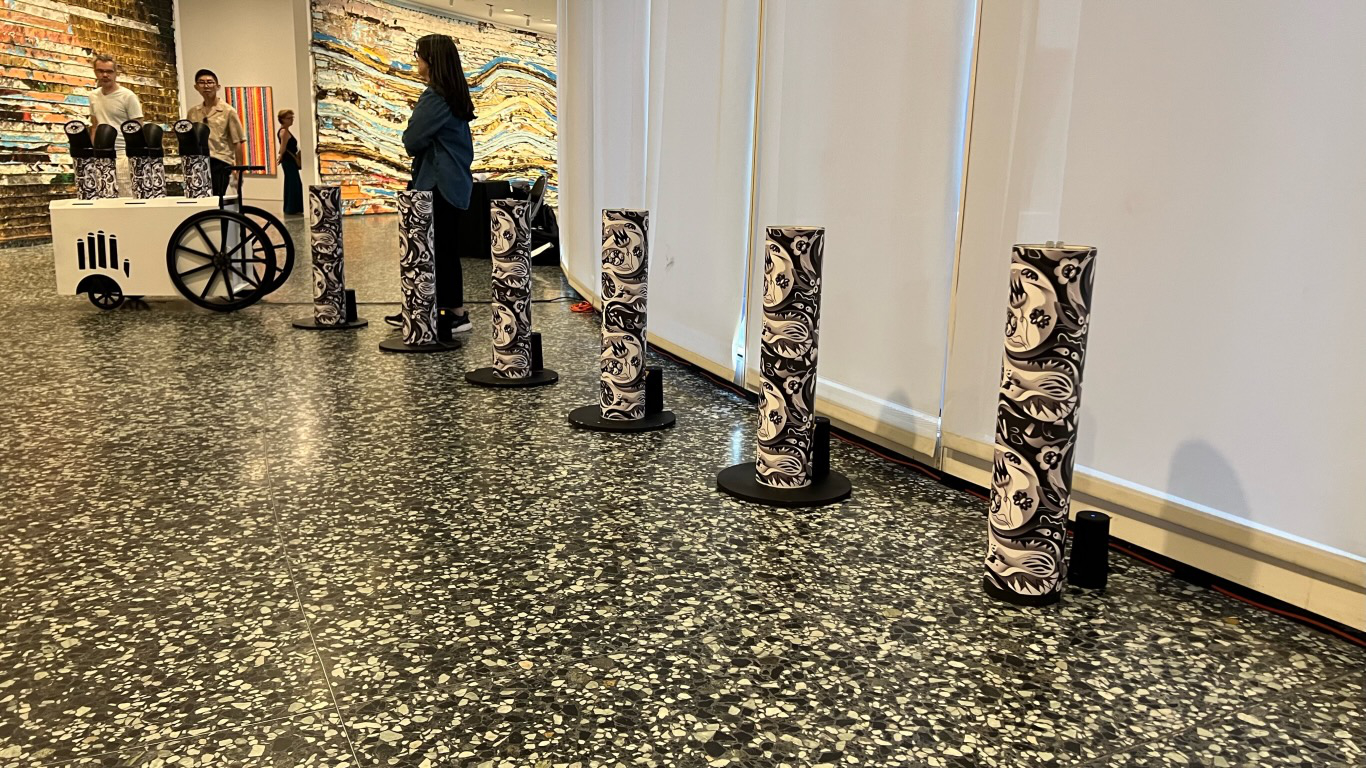
These origin stories are displayed on a series of standing poles, inviting attendees to envision these narratives as they walk through the space. As an example, Alexander Graham Bell's research into deafness was inspired by his efforts to help his mother and wife, eventually leading to the invention of the telephone. Two interactive artifacts placed among the poles, the Cart and the Pipes, generate an enveloping soundscape as participants navigate the installation. The code for these instruments can be found on GitHub. All interactive elements were visually styled after art brut, a creative movement developed in France in the 1940s that celebrates art made outside the bounds of traditional culture.
In collaboration with director and narrative designer Michael McDonald, researcher and fabricator Khoa Huynh, art director Myriam Nicodemus, interaction design assistant Alexander (Que) Wu, and technology consultant Gustavo Silveira, this installation was featured as part of the Sound Scene Festival, presented at the Smithsonian Hirshhorn Museum and Sculpture Garden. I contributed to this project as an installation designer and composer.
The Cart is a sonic sculpture built around a non-functional wheelchair, symbolizing "the engine of innovation." The sound produced by the cart consists of two layers: a textural soundbed and six synthesized melodies. The soundbed provides a constant texture made out of recordings from the everyday objects highlighted by the installation. Six infrared (IR) proximity sensors control the pitch of the synthesized melodies. Each melody is tuned to a different instrumental range, but all of them share a tonal center and are constrained to the Dorian mode.
The Pipes are a collection of six hip-height cylindrical sonic sculptures, each tuned to a distinct musical pitch. An upward-facing ultrasonic sensor atop each cylinder controls the loudness of its corresponding note. Collectively, the six pitches build a consonant yet complex chordal structure known as an ambichord. Since each pipe plays only a single note, the full chord is only revealed when multiple people engage with the pipes at once. The sensors are placed at a height of roughly 1.5 meters, giving children, wheelchair users, and adults an equally accessible point of engagement. Sound generation is achieved using a Daisy Pod, manufactured by Electro-Smith.
MusiCodex is an ongoing instructional project. My vision is for it to eventually turn into a resource that musicians and students can use to better understand the inner workings and technologies of music production. The project implements various instructional design approaches to offer hands-on experiences, as well as literature to ensure a practical and theoretical understanding.
The practical examples were designed using Max, by Cycling '74. I chose Max as the development platform as it permits any user to interact with the scripts without needing to purchase a license. Additionally, licensed users have the capacity to edit and repurpose the designed scripts.
The modules in markdown format and the Max patches may be found on the MusiCodex GitHub Repo.
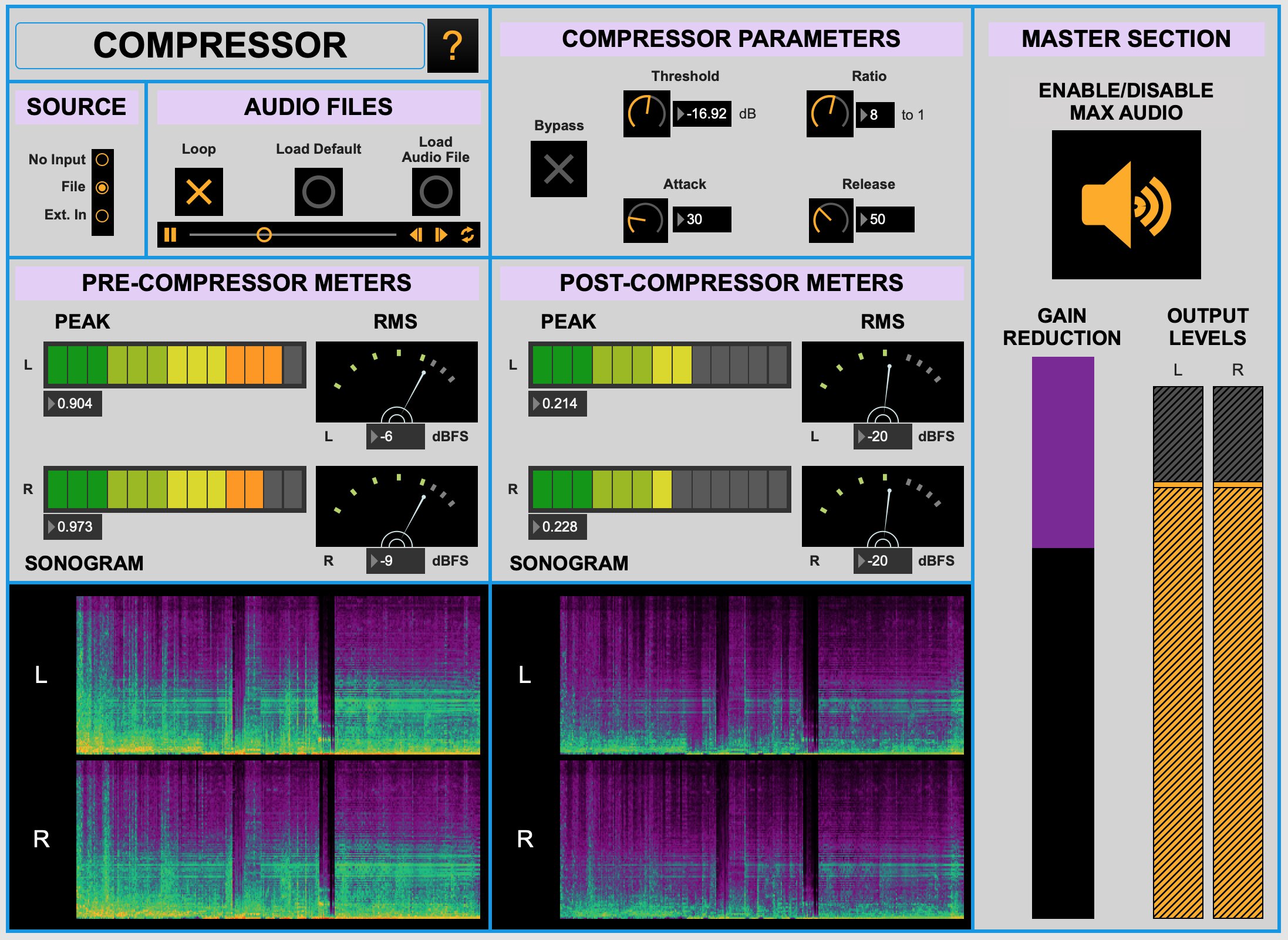
The audio compression module explains how dynamics processors work, as well as an overview of loudness as it relates to analog technologies. The Max compressor demonstrates signal interactions using a peak meter, an RMS meter, and a spectrogram.
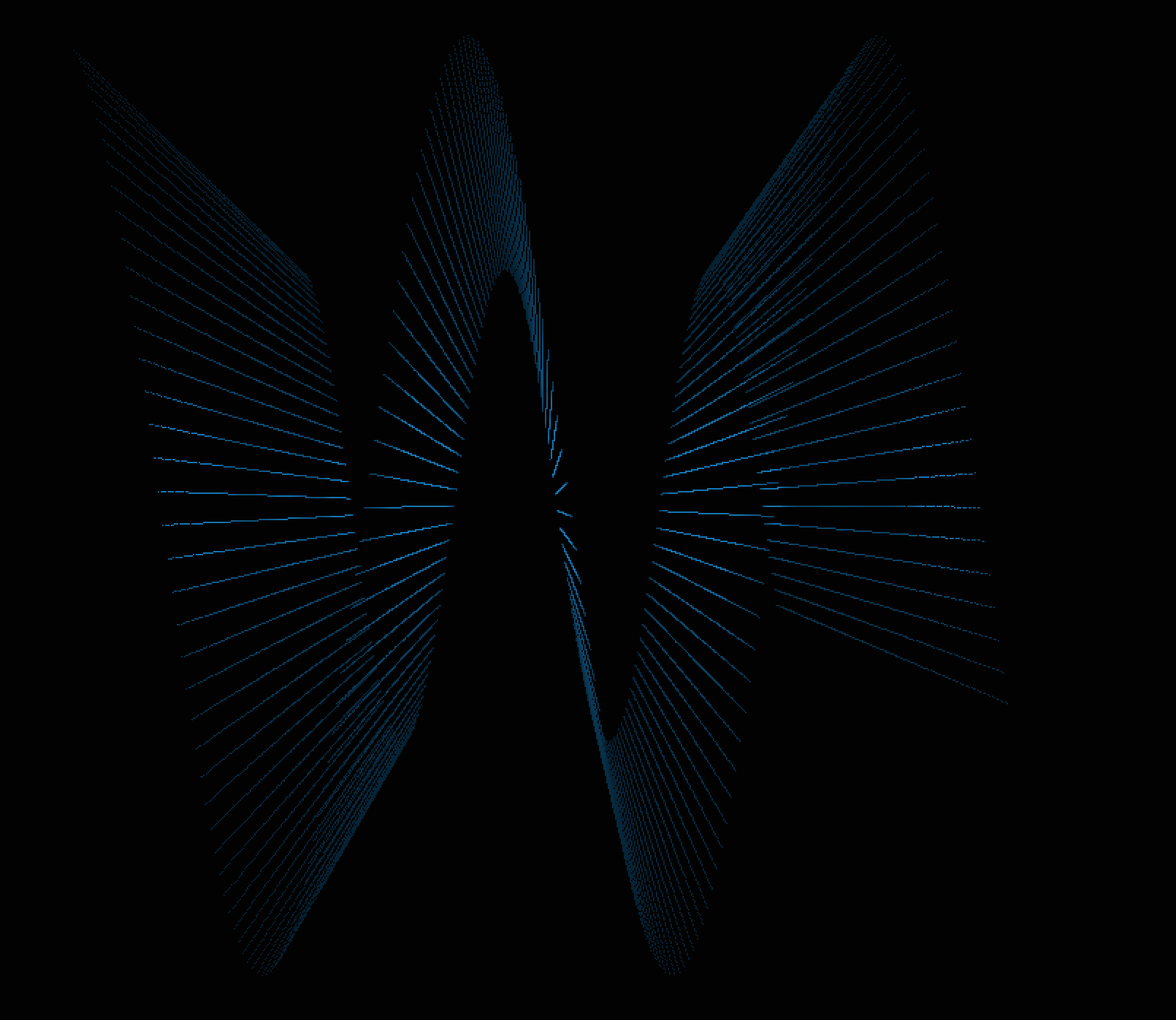
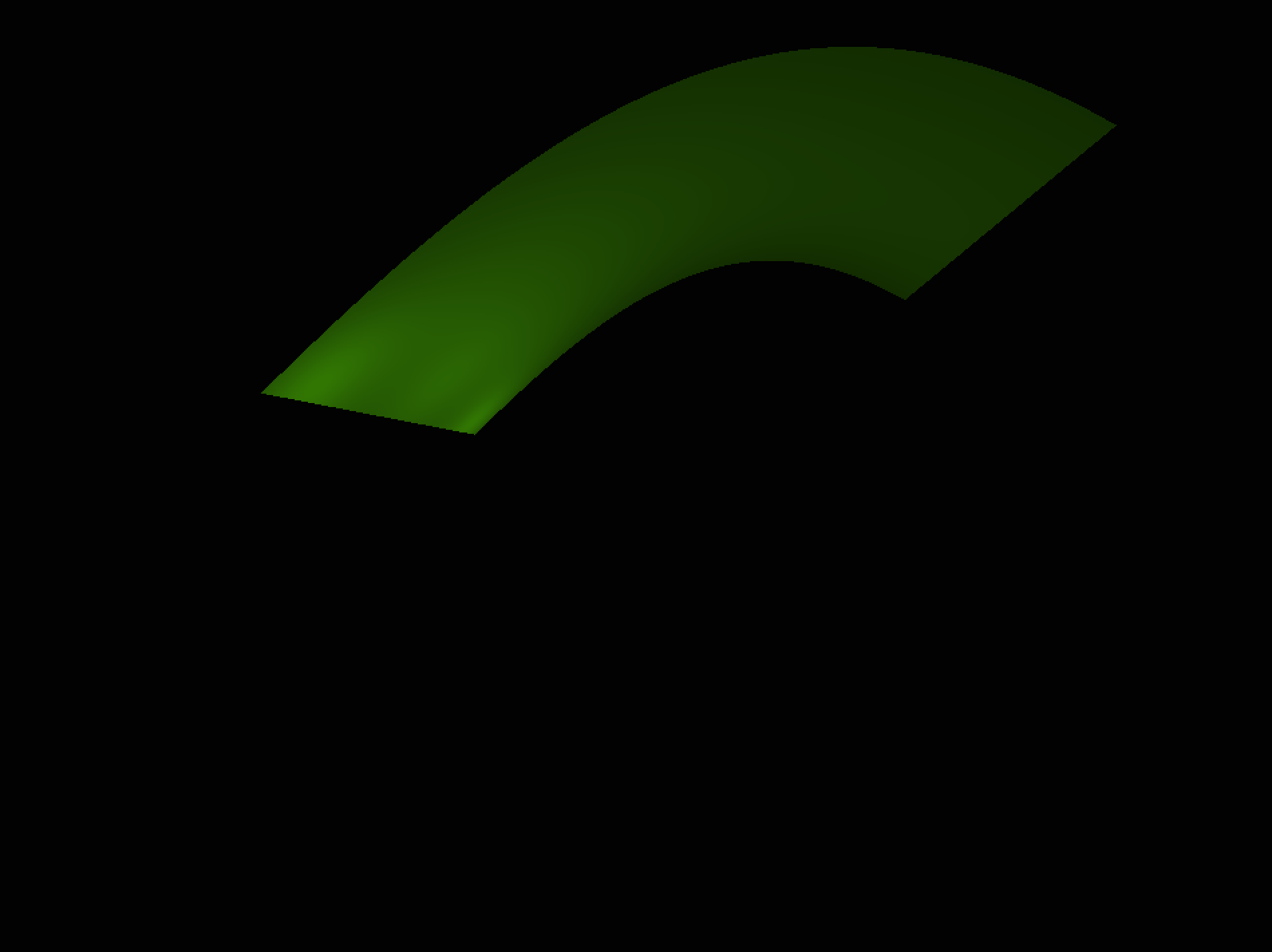
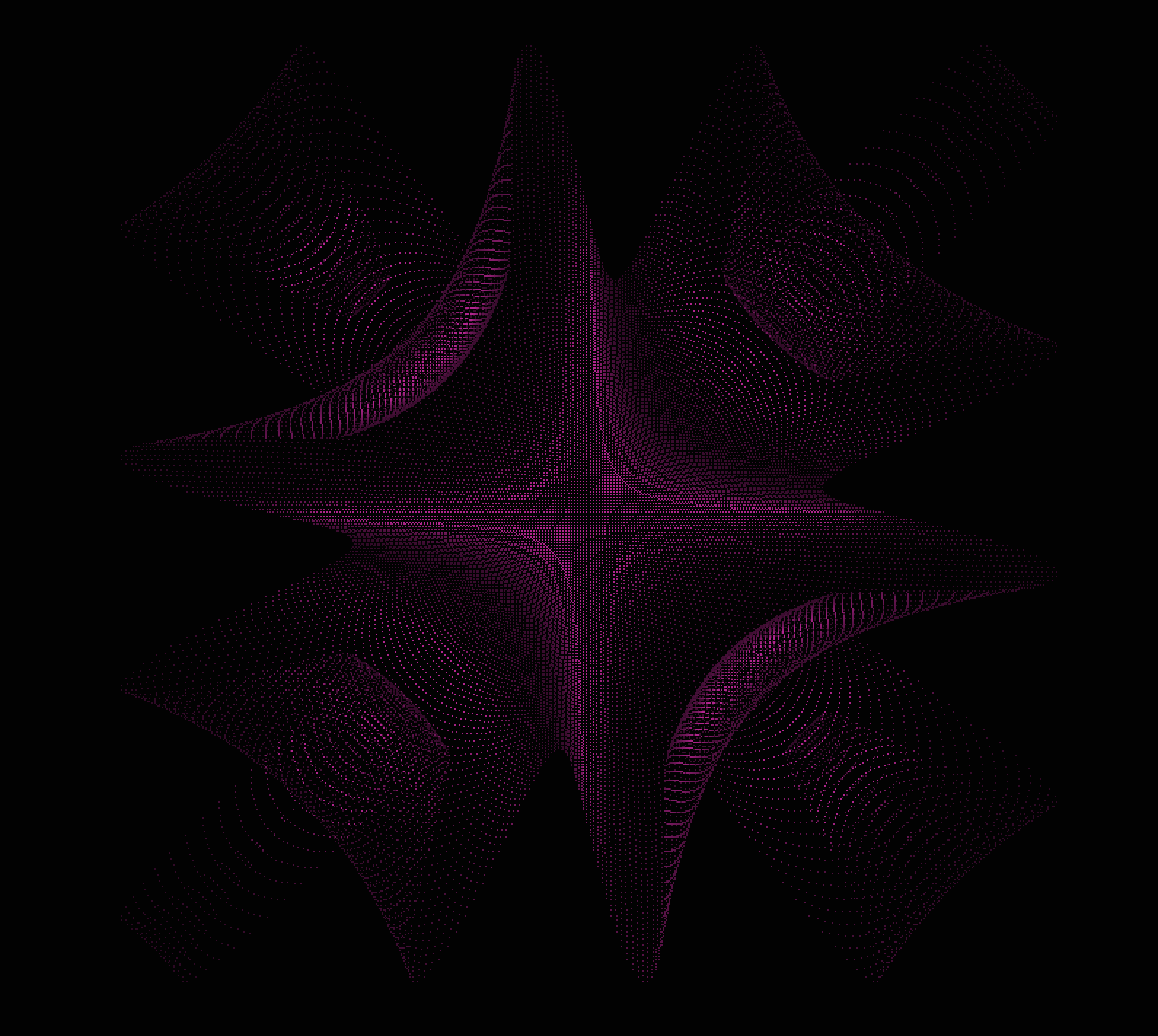
Coded in C++ using OpenGL and SDL2, the 3D Sine Wave Visualizer offers an opportunity to interact with 3D sine waves via an event handler, which allows:
3D Sine Line Render - Side to Side
3D Sine Fill Render - Side to Side
3D Sine Points Render - Center Out
Incorporation of analog audio synthesizers (Moog Subsequent37 and Eurorack Synth), digital graphics (Processing 3), and Arduino boards and controllers. Cycling '74 Max 8 is used as the routing brain, and interfacing with the Eurorack Synth is achieved using the Monome Crow module, which converts data sent by Max 8 via USB to Control Voltage (CV) signals. The Arduino controllers modify various aspects of the musical and visual performance, including tempo, waveshapes and octave, position of the rendered ellipse, and colors. They do this by sending serial data to various locations via different ports, including Max, Processing, and the Moog Subsequent37 synthesizer.
GitHub RepositoryThese are sketches in visual composition relying on image processing, procedural geometry, and shaders. This collection was made in TouchDesigner.
These are sketches in visual composition relying on image processing, procedural geometry, and shaders. This collection was made in TouchDesigner.
Displaced Colors is a series of illustrations exploring multidirectional displacement. The scripts are designed to have four ellipses spread in different directions based on permutations of the given displacement values. The script will stop and save an image once all four ellipses converge in the center.
Additional variations outline basic geometric shapes, based on explorations of geometric outlines and programmatic generative approaches.
Made with Processing.

 Line Equation
 X = 3, Y = 2
 X = 5, Y = 4
 X = 7, Y = 3
 X = 3, Y = 1
 X = 7, Y = 4
 Square
 Grid
Grid